
For more than thirty years, the blue ENERGY STAR label sat under the care of the Environmental Protection Agency. That changed on March 3, 2026, when the EPA and the U.S. Department of Energy signed a memorandum of agreement. The agreement names the DOE as the lead federal agency for the program. It runs for ten years and covers the transfer of partnership agreements, trademarks, and databases that hold certification records.
If you build homes or verify them, the news likely landed as a question rather than a headline. Does the label still mean the same thing, and does the paperwork still work the same way? The short answer is yes, for now. The longer answer deserves your attention. A change of this size tends to surface first in small operational details long before it appears in the program requirements themselves.
What the Handoff Actually Transferred
ENERGY STAR was never a single-agency program. It was created in 1992 as a joint effort between two agencies. The EPA handled branding, outreach, and partner management, while the DOE focused on technical specifications and test procedures. The 2026 agreement did not invent a new relationship. It simply moved the center of gravity, placing the program inside the DOE Office of Critical Minerals and Energy Innovation.
Why the Program Moved
The transfer followed a year of genuine uncertainty. In 2025, proposals to eliminate the EPA division that housed ENERGY STAR raised real concern that the label might disappear. Congress pushed back and funded the program at $33 million for fiscal year 2026. The move to the DOE gave it a home outside the office slated for cuts. Manufacturing and real estate groups largely welcomed the change. They argued that the DOE already writes minimum efficiency standards and holds the deeper technical bench. Critics countered that removing the EPA weakens the environmental case the label was built on.
What Stays the Same on Your Projects
Program requirements did not reset on March 3, 2026. A home permitted this year still certifies under the same version of the ENERGY STAR Residential New Construction program that applied before the agreement. The rater checklists were not rewritten either. Version updates continue to follow permit dates, and that detail still catches builders off guard. Certification is still voluntary, and the blue label carries the same market recognition it always has.
Verification Still Runs Through Your Rater
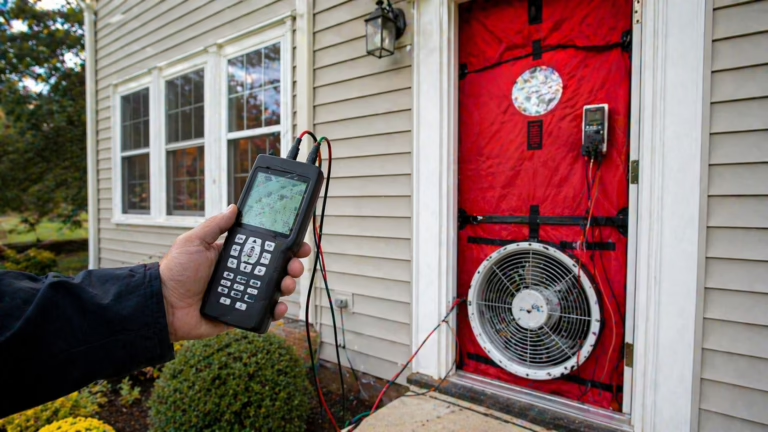
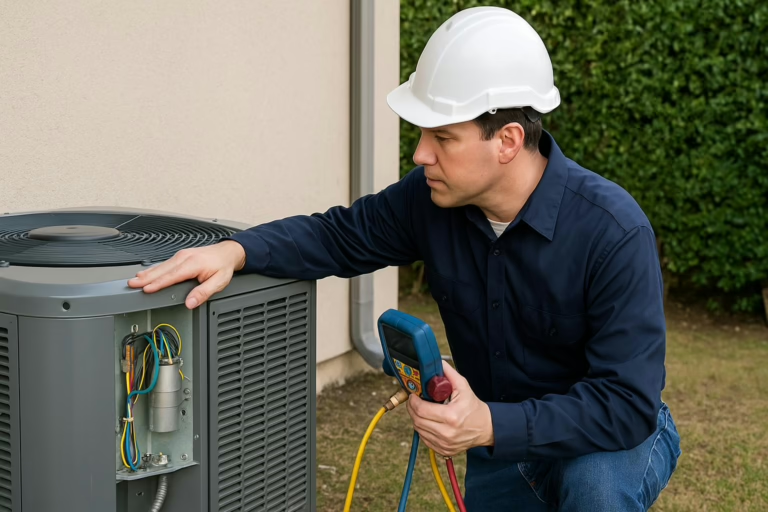
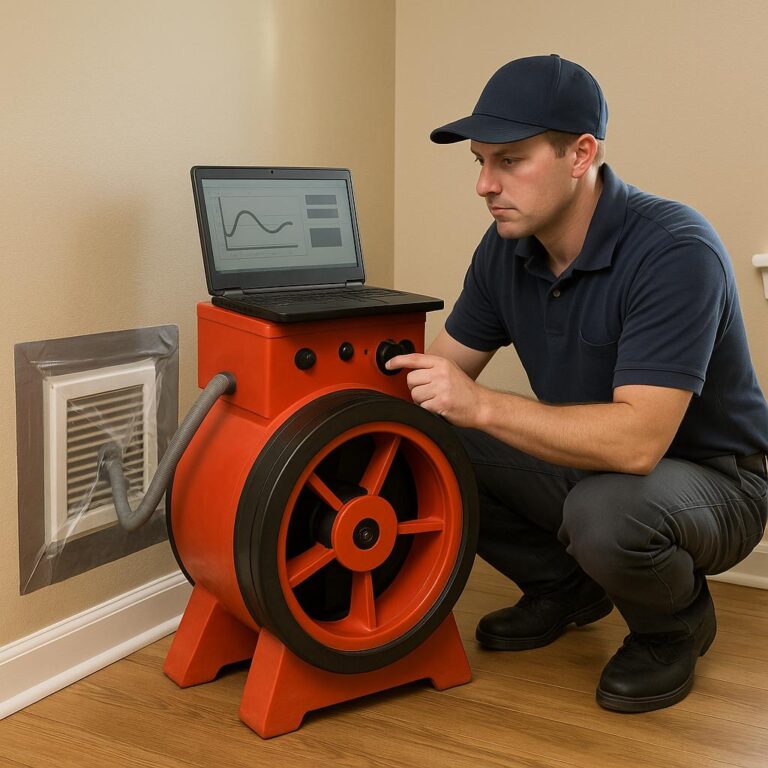
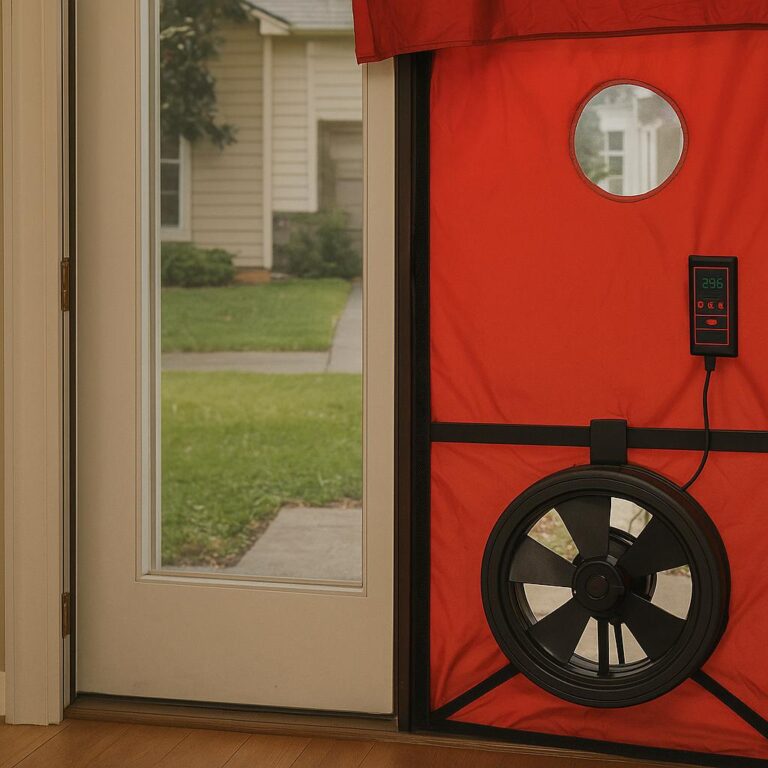
Third-party verification remains the backbone of ENERGY STAR certification. Blower door and duct leakage results, HVAC design reports, and signed checklists all carry the weight they did last year. Each home still routes through a Home Certification Organization for final approval. If your projects depend on blower door testing or duct leakage testing to close out a permit, none of that field work has changed.
Where Friction Is Most Likely
The risk in a transition like this is rarely the standard itself. It is the plumbing underneath: databases, partner logins, reporting portals, and the people who answer questions when a submission does not match. Both agencies lost significant staff in 2025, and that leaves less slack in the system than builders may be used to. Expect slower answers on edge cases while systems migrate.
Build a Paper Trail You Control
Keep complete records for every certified home rather than assuming that a federal database will hold them on your behalf. Save signed checklists, inspection photos, product submittals, and the final HERS rating report in a single folder for each project. If a portal changes hands or a submission stalls, the builder who can produce documentation on the same day protects the closing date.
What Builders in New York State Should Do Now
The practical response is steady rather than dramatic: keep certifying, keep documenting, and stay close to a rater who reads the program bulletins. Two habits carry most of the weight here, and both cost very little to adopt.
Confirm the program version tied to each permit date before framing begins. Then ask your rater to flag anything that the DOE publishes as its transition plan takes shape. Just as important, remember that New York State code obligations did not shift when the federal label changed hands. Energy code compliance testing remains a permit requirement regardless of which agency prints the logo. Treating it as a scheduled milestone rather than a last-minute scramble is still the cheapest way to protect a project timeline.
Certify With Confidence Through the Transition
We have guided builders, architects, and contractors through two decades of shifting energy codes across New York State, and this handoff is no different. We handle the ratings, the testing, and the documentation, so your certifications close on schedule and your permits move forward without delay. Reach out to Home Energy Consultants, Inc. to talk through the certification requirements on your next project.