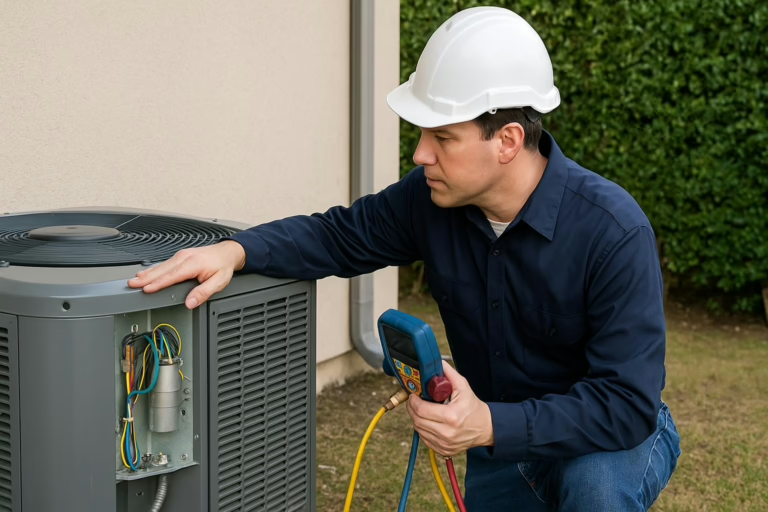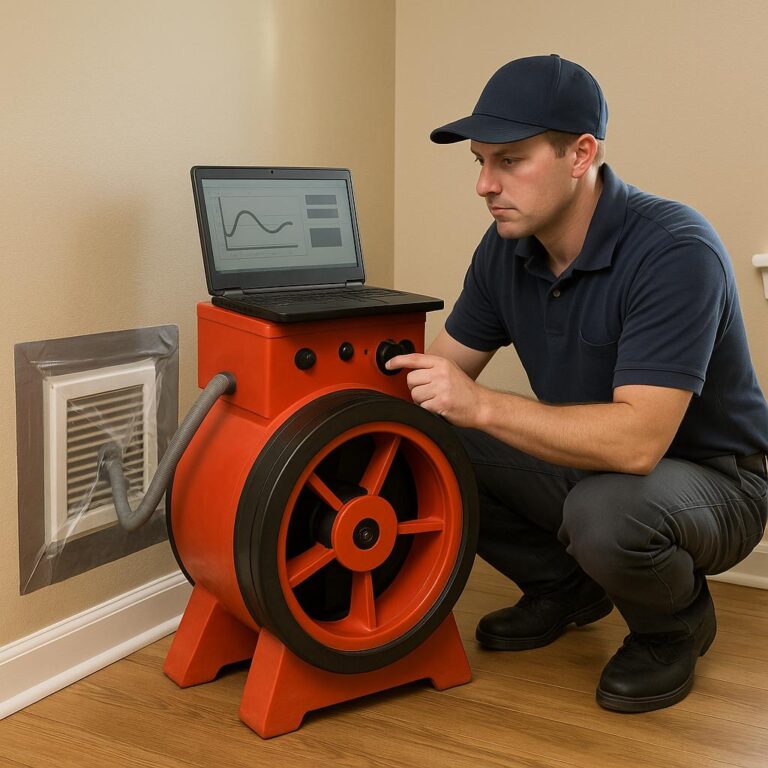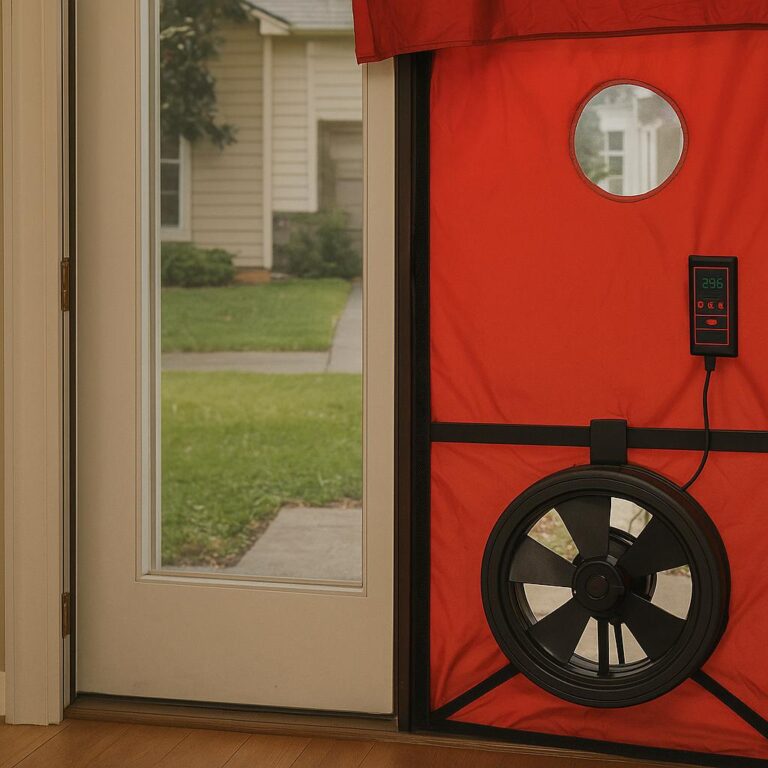
Maintaining a comfortable and energy-efficient commercial building isn’t just about having a high-quality HVAC system installed. Even the most advanced heating and cooling equipment can underperform if the air distribution throughout the building is unbalanced. HVAC air balancing is the process of testing and adjusting your system to ensure the correct amount of air flows to each space. When airflow is properly calibrated, occupants stay comfortable, energy use is optimized, and equipment operates efficiently.
If your building is showing signs of discomfort, rising costs, or recurring HVAC issues, air balancing may be the missing piece. Here are the most common real-world indicators that your commercial building needs HVAC air balancing, and why addressing them matters.
1. Uneven Temperatures Throughout the Building
One of the most obvious signs of airflow imbalance is inconsistent temperatures from room to room. You may notice that certain offices feel too hot while others are uncomfortably cold. Conference rooms may overheat when occupied, while perimeter zones near windows struggle to maintain temperature.
These inconsistencies often occur when some areas receive too much conditioned air while others receive too little. Poor duct design, incorrect damper settings, blocked vents, or system modifications over time can all contribute to uneven distribution.
When airflow isn’t properly balanced, your HVAC system works harder to compensate. Thermostats may trigger longer run cycles to satisfy one problem area, unintentionally over-conditioning another. This not only frustrates occupants but also drives up operational costs.
2. High or Rising Energy Bills
If your utility bills are climbing without a clear explanation, such as increased occupancy or extreme weather; airflow imbalance could be the culprit. When your HVAC system isn’t distributing air efficiently, it must run longer and more frequently to maintain set temperatures.
Air balancing ensures that each zone receives the correct volume of supply and return air. Without it, your system may be overworked to correct hot and cold spots, leading to wasted energy. Fans may operate at higher speeds than necessary, and heating or cooling equipment may cycle excessively.
Over time, this inefficiency compounds into significant energy waste. Proper air balancing restores system performance, reduces strain, and can noticeably lower monthly energy expenses.
3. Frequent HVAC Complaints from Occupants
In commercial environments, comfort complaints are often the first red flag. Employees might report drafts, stuffy air, temperature swings, or inadequate ventilation. In multi-tenant buildings, property managers may receive repeated service requests from specific suites.
While it’s tempting to address these complaints by adjusting thermostats or performing quick fixes, the underlying issue is often airflow imbalance. Simply changing temperature settings won’t solve uneven air distribution.
Persistent comfort complaints can affect productivity, tenant satisfaction, and even lease renewals. Air balancing addresses the root cause by measuring airflow, adjusting dampers, and ensuring that each space receives the right amount of conditioned air based on design specifications.
4. Excessive HVAC Equipment Wear and Tear
Airflow imbalances don’t just impact comfort; they strain your equipment. When air isn’t circulating properly, components such as fans, compressors, and motors must work harder to compensate.
Restricted airflow can cause systems to overheat, short-cycle, or operate outside of their intended performance range. This accelerates wear and tear, leading to more frequent breakdowns and costly repairs.
If your building experiences recurring HVAC service calls, premature part replacements, or unexplained system failures, airflow imbalance may be contributing to the problem. Proper air balancing ensures the system operates within its design capacity, extending equipment lifespan and reducing maintenance expenses.
5. Poor Indoor Air Quality
Air balancing plays a crucial role in ventilation and indoor air quality. When supply and return air are not properly aligned, certain areas may experience stagnant air, insufficient fresh air intake, or pressure imbalances.
For example, negative pressure in parts of the building can draw in unfiltered outdoor air, dust, or humidity. Positive pressure imbalances may prevent proper exhaust, trapping odors and contaminants indoors.
If occupants complain about stuffiness, lingering odors, or increased allergy symptoms, airflow issues may be part of the problem. Balanced air distribution supports proper ventilation rates, improving air quality and creating a healthier indoor environment.
6. Renovations or Layout Changes
Commercial buildings evolve over time. Offices are reconfigured, walls are added or removed, and tenant improvements are completed. However, HVAC systems are not always recalibrated after these changes.
Even minor layout adjustments can disrupt airflow patterns. A space that once functioned as open seating may become private offices requiring different air distribution needs. Without rebalancing the system, airflow can become mismatched to the new layout.
If your building has undergone renovations and comfort issues have followed, it’s wise to evaluate whether air balancing is needed to restore proper performance.
7. No Record of Previous Air Balancing
Many commercial buildings operate for years without ever undergoing formal air balancing. Over time, dampers shift, filters clog, ductwork settles, and mechanical components drift away from their original settings.
If there is no documentation confirming that your system was tested and balanced, especially after installation or major upgrades; it may not be performing as designed. Air balancing verifies that airflow matches engineering specifications and ensures your investment is delivering maximum efficiency.
Why Airflow Imbalance Matters
At its core, HVAC air balancing is about efficiency and longevity. Uneven airflow forces equipment to compensate, increasing energy consumption and mechanical stress. It reduces occupant comfort and can even affect air quality and building pressure relationships.
By identifying and correcting airflow imbalances, you optimize system performance, stabilize indoor temperatures, and protect valuable HVAC assets. The result is lower operating costs, fewer service disruptions, and a more comfortable environment for everyone inside your building.
If you’re noticing uneven temperatures, rising energy bills, or ongoing HVAC complaints, it may be time for a professional evaluation. The experts at Home Energy Consultants specialize in commercial HVAC air balancing and performance optimization.
Contact Us today to schedule an assessment and ensure your building’s HVAC system is running at peak efficiency.